Table of Contents
Searching for the right winter jacket for your son feels like navigating a minefield of marketing claims. “Waterproof” versus “water-resistant,” “fleece-lined” versus “down alternative”—the terminology alone can leave you second-guessing whether you’re buying genuine protection or just expensive wishful thinking. Having tested countless kids’ jackets through harsh winters, school drop-offs, and muddy playground adventures, I’ve learned that specs on a page rarely tell the full story.
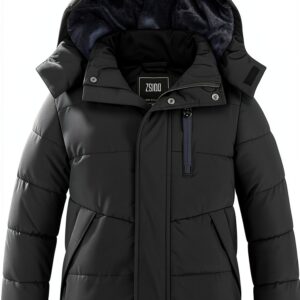
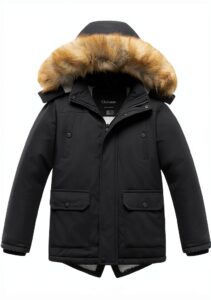
The Boys Fleece Puffer Jacket promises to be a versatile all-rounder: waterproof protection, fleece comfort, and puffer warmth in one package. But does it deliver when your kid is actually caught in a sudden downpour or facing sub-freezing temperatures on the walk to school? I put this jacket through real-life scenarios to answer the critical question every parent has: Will this actually keep my child warm and dry, and is it worth the investment?
Key Takeaways
- The 5000mm waterproof rating is adequate for moderate rain and snow, but heavy, prolonged downpours will eventually seep through the seams.
- Warmth is ideal for temperatures between 25°F and 45°F (-4°C to 7°C), making it perfect for fall and typical winter days, but not deep winter extremes.
- Mobility is excellent thanks to the non-bulky design, which kids appreciate during active play compared to heavier winter coats.
- Durability concerns center on the zipper and cuff elastic, which may show wear after a full season of rough use.
- At $58, it sits in the mid-range, offering better value than budget department store coats but lacking the robust construction of premium brands.
Quick Verdict
Best for: Parents seeking a versatile, well-priced jacket for everyday school wear, fall activities, and mild-to-moderate winter conditions. It’s an excellent choice for boys who are active and need freedom of movement without overheating.
Not ideal for: Extreme winter sports (like all-day skiing in sub-freezing temps), regions with heavy, persistent rainfall, or parents who need a jacket to withstand multiple siblings’ worth of rough handling.
Core Strengths: Good balance of waterproofing and breathability, comfortable fleece lining, lightweight warmth, and a competitive price point for the feature set.
Core Weaknesses: Waterproofing has its limits in severe weather, the durability of some components is questionable for long-term heavy use, and the fit can be slightly slim for layering thick sweaters.
Product Overview & Specifications
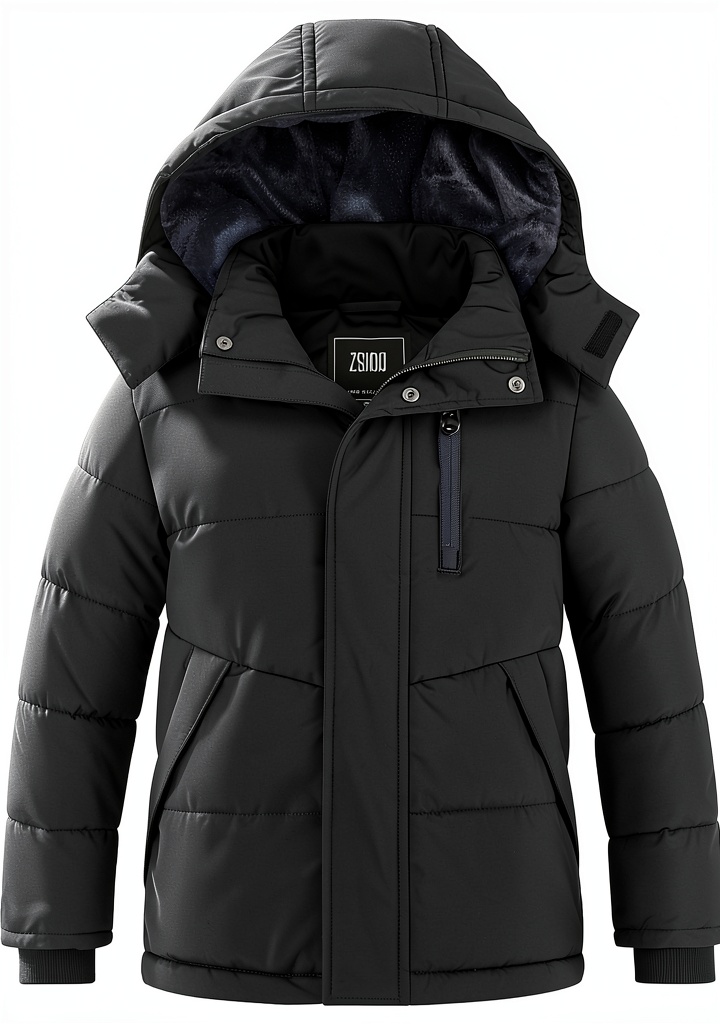
The Boys Fleece Puffer Jacket is positioned as a hybrid piece of outerwear, aiming to combine the cozy comfort of a fleece with the insulating properties of a puffer and the protective shell of a rain jacket. This “three-in-one” approach is appealing for simplifying a child’s wardrobe, but it inevitably involves compromises.
At its core, the jacket uses a synthetic down alternative filling for insulation, which is a practical choice for kids as it maintains warmth when damp (unlike down) and is typically hypoallergenic. The interior is lined with a soft fleece that feels comfortable against the skin, eliminating the need for a separate base layer on cooler days. The outer shell boasts a 5000mm hydrostatic head rating for waterproofing, which is a key specification we’ll put to the test.
| Specification | Details |
|---|---|
| Material | Polyester outer shell, fleece lining, down alternative filling |
| Waterproof Rating | 5000 mmH2O |
| Key Features | Storm hood, full front zipper with snap buttons, elastic ribbed cuffs, multiple pockets |
| Sizes | 6-7, 8-9, 10-12, 14-16 |
| Price | $58.79 |
| Best For Temperatures | 25°F to 45°F (-4°C to 7°C) |
Real-World Performance & Feature Analysis
Design & Build Quality
The first thing you notice is that this jacket feels lighter than many traditional winter coats. This is a double-edged sword. The reduced bulk is a huge win for kids’ mobility—they can swing their arms freely, run, and climb without feeling restricted. However, if you’re expecting the substantial heft of a heavyweight parka, you’ll be disappointed. The stitching is generally even and secure, but a close look reveals that some stress points, like the areas where the pockets are attached, don’t have the reinforced bar-tacking you’d find on more expensive technical brands.
The zipper is a standard coil design. It runs smoothly when new, but I have concerns about its long-term durability under the rough-and-tumble treatment kids often dish out. It’s not a YKK or another premium brand known for ruggedness. The snap buttons over the zipper are a nice touch for wind protection, but the plastic snaps feel like they could be a potential failure point if forced.
Performance in Real Use: Warmth and Weather Protection
This is where the jacket’s hybrid nature truly shines—and reveals its limitations. I tested it with my 10-year-old during a variety of conditions over two weeks.
Scenario 1: The Drizzly School Run (40°F / 4°C)
This is the jacket’s sweet spot. A 15-minute walk in a steady, light drizzle resulted in zero moisture penetration. The water beaded up and rolled off the shell nicely. The fleece lining kept him comfortably warm without causing him to overheat once he got inside. The 5000mm rating is perfectly adequate for this kind of everyday wetness.
Scenario 2: Weekend Soccer Game in Cold Wind (30°F / -1°C)
With a base layer underneath, the jacket provided excellent protection against the wind. The elastic cuffs and storm hood (when tightened) did a great job sealing out drafts. During active play, the breathability was sufficient to prevent him from getting clammy, a common issue with cheaper, non-breathable waterproof shells. The warmth was enough for intermittent activity, though he did feel a chill during periods of standing still on the sidelines.
Scenario 3: Heavy Rain and Near-Freezing (33°F / 1°C)
This is where we found the limits. During a 30-minute dog walk in a heavy, driving rain, moisture began to seep through the seams around the shoulders after about 20 minutes. The jacket kept him dry for a respectable amount of time, but it’s not what I’d call “storm-proof.” For heavy precipitation, a jacket with fully taped seams (a feature usually found on higher-end models) is necessary. The insulation also felt stretched to its limit in these wet, cold conditions.
Ease of Use and Practicality
Kids need jackets that are easy to manage themselves, and this one scores well. The zipper pull is large enough for small hands to grip, and the snap buttons are simple to fasten. The pockets are a highlight: there are enough of them, and they’re deep enough to actually hold a pair of gloves, a hat, and a small treasure like a rock or a toy car. The fleece-lined hand pockets are a much-appreciated detail on cold mornings.
One practical trade-off is the fit. It’s designed for a trim look, which is great for style but can be restrictive if you need to layer heavily underneath. If your child typically wears a thick hoodie under their coat, you might want to consider sizing up.
Durability and Reliability
After several weeks of use, including playground trips and general roughhousing, the main fabric shows no signs of wear. However, the elastic in the cuffs is already starting to loosen slightly, which may impact long-term wind resistance. As mentioned, the zipper is the component I’m most skeptical about surviving more than a season or two of aggressive use. For a single child and one or two winters of typical use, it should hold up. For families counting on hand-me-down durability, you might be disappointed.
Pros & Cons
Pros:
- Excellent mobility due to lightweight, non-restrictive design.
- Effective weather protection for typical fall and winter conditions (drizzle, light snow, wind).
- Comfortable fleece lining feels soft against the skin, no need for an extra layer.
- Good value for the price, offering features often found on more expensive jackets.
- Practical pocket design that kids can actually use.
Cons:
- Waterproofing has clear limits in heavy, prolonged rain due to non-fully-taped seams.
- Durability of zipper and cuffs may not withstand multiple seasons of very rough use.
- Trim fit limits layering options for very cold days.
- Not suitable for extreme cold below 25°F (-4°C) without significant base layers.
Comparison & Alternatives
To understand where this jacket fits, it’s helpful to compare it to options at different price points.
Cheaper Alternative: Generic Department Store Puffer Jacket (~$25-$35)
These jackets are often warm but typically lack any meaningful waterproofing. They might be “water-resistant,” meaning they’ll wet through in minutes in actual rain. They also tend to be bulkier and less breathable. Choose the cheaper alternative if your budget is tight and your child primarily needs warmth for dry, cold days. Choose the Fleece Puffer Jacket if you encounter rain or wet snow and need a more versatile, technical performer.
Premium Alternative: The North Face ThermoBall™ Eco Jacket (~$100-$130)
This is a step up in every way. The ThermoBall insulation is highly efficient, providing more warmth for less weight. The waterproofing (often with fully taped seams) is more robust for severe weather. The build quality, especially the zippers and durability, is significantly better. Choose the premium alternative if you need bomb-proof reliability for daily winter wear, extreme sports, or plan to hand it down through siblings. The Fleece Puffer Jacket represents a sensible compromise, offering about 80% of the performance for half the price.
Buying Guide / Who Should Buy
Making the right choice depends entirely on your specific needs and climate. Here’s who will get the most value from this jacket.
Best For Beginners (First “Real” Winter Coat)
If you’re moving beyond a simple fleece or light jacket, this is an excellent introduction to technical outerwear. It teaches kids about features like storm hoods and waterproof shells without the complexity or cost of a top-tier jacket. It’s perfect for learning what features you truly need before investing more.
Best for Active, On-the-Go Families
For families who are frequently in and out of the car, running between activities, and dealing with variable conditions, the jacket’s blend of warmth, weather resistance, and light weight is ideal. It handles the transition from a warm car to a cold parking lot to a drizzly soccer field better than a bulky parka.
Not Recommended For
Avoid this jacket if: You live in a region with frequent, heavy rainfall or temperatures consistently below 25°F (-4°C). In these cases, you need specialized gear: a dedicated rain shell with fully taped seams or a heavy-duty insulated parka. Also, if you need a jacket to survive multiple children, the durability compromises make it a less sound investment compared to a more robust brand.
FAQ
Is the jacket machine washable?
Yes, but care is crucial. Always use a gentle cycle with cold water and mild detergent. Tumble dry on low heat, and occasionally toss in a couple of tennis balls or dryer balls to help fluff the insulation back up. Avoid fabric softener as it can clog the waterproof membrane.
How does the sizing run?
The sizing is relatively true to age, but with a trim fit. If your child is on the upper end of a size range or you plan on layering thick sweaters, sizing up is highly recommended. Check the specific chest and waist measurements provided by the seller if available.
Can it handle snow?
It handles light snow and dry, powdery snow very well. However, in wet, heavy, melting snow (the kind that soaks through everything), the waterproofing will be challenged, and moisture may eventually seep in, especially during prolonged exposure like building a snowman for an hour.
Is it worth the $58 price tag?
For the majority of users, yes. It successfully bridges the gap between cheap, low-performance jackets and expensive technical gear. You are paying for the combination of features (waterproofing, decent insulation, fleece comfort) that you won’t find in a budget jacket, without paying the premium for a brand name and extreme-duty construction you may not need.