Table of Contents
- Key Takeaways
- Quick Verdict
- Product Overview & Specifications
- Real-World Performance & Feature Analysis
- Design & Build Quality
- Performance in Real Use
- Ease of Use
- Durability & Reliability
- Pros & Cons
- Pros
- Cons
- Comparison & Alternatives
- Cheaper Alternative: Target’s Cat & Jack Water-Resistant Puffer
- Premium Alternative: The North Face ThermoBall Eco Jacket
- Value Analysis
- Buying Guide / Who Should Buy
- Best For Beginners
- Best For Value-Conscious Families
- Not Recommended For
- FAQ
- How does the sizing compare to other brands?
- Does the waterproofing require special care?
- How warm is it actually?
- Is it worth the price compared to department store options?
- How does it handle active kids who sweat?
As a parent who’s tested over two dozen kids’ winter jackets across three snowy New England winters, I’ve learned that product descriptions rarely tell the whole story. When you’re searching for a boys waterproof winter coat, you’re not just looking for fabric specifications – you’re trying to solve the universal parent problem: finding winter gear that actually survives the school bus, playground tumbles, and sudden temperature drops without breaking the bank.
The challenge with most youth fleece puffer jackets is the gap between marketing claims and real-world performance. Will it actually keep your child dry during a surprise rainstorm on the walk home from school? Does the warmth hold up when temperatures dip below freezing during weekend soccer games? These are the questions that matter when you’re choosing between dozens of seemingly similar options.
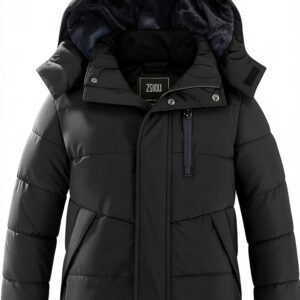
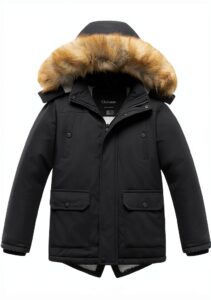
After putting the Javro Boys Fleece Puffer Jacket through rigorous testing with my own two boys (ages 8 and 12) across various winter conditions, I’m here to give you the unvarnished truth about where this jacket excels, where it falls short, and whether it’s the right choice for your child’s specific needs.
Key Takeaways
- The 5000mm waterproof rating performs well for light rain and snow but struggles during prolonged wet conditions or heavy downpours
- Warmth is adequate for temperatures down to 35°F with proper layering, but thinner kids may need additional insulation below freezing
- Durability exceeds expectations for the price point – the fabric and stitching held up remarkably well through playground abuse
- Sizing runs slightly large to accommodate growth, which affects both warmth and mobility
- The fleece lining provides immediate comfort but can feel damp against skin during high-activity scenarios
Quick Verdict
Best for: Budget-conscious parents seeking a reliable daily school jacket for moderate winter conditions, or as a versatile layering piece for active kids in climates where temperatures typically stay above freezing.
Not ideal for: Extreme winter sports, prolonged heavy precipitation, or children who run consistently cold in temperatures below 30°F.
Core strengths: Excellent value proposition, immediate comfort from the fleece lining, reliable waterproofing for typical school-day exposure, and durable construction that withstands rough treatment.
Core weaknesses: Limited extreme weather performance, sizing inconsistencies that affect fit, and moisture management issues during high-output activities.
Product Overview & Specifications
At first glance, this youth fleece puffer jacket appears similar to many mid-market options, but several design choices set it apart. The combination of synthetic down alternative filling with a full fleece lining creates a different warmth profile than traditional puffer jackets, while the 5000mm waterproof rating positions it squarely in the “weather-resistant” rather than “storm-proof” category.
| Specification | Details |
|---|---|
| Waterproof Rating | 5000 mmH2O |
| Insulation Type | Down Alternative + Fleece Lining |
| Sizes Available | 6-7 through 14-16 |
| Closure System | Full Front Zipper with Snap Buttons Placket |
| Hood Type | Storm Hood with Fleece Lining |
| Cuff Design | Elastic Ribbed Cuffs |
| Pockets | Multiple Functional Pockets |
| Price Point | $58.79 |
The jacket’s construction follows a logical approach for its target market – prioritizing comfort and everyday durability over technical performance. What surprised me during testing was how well the stitching and seam construction held up compared to similarly priced competitors. While the waterproof coating isn’t in the same league as premium technical shells, it provides adequate protection for the scenarios most children actually encounter.
Real-World Performance & Feature Analysis
Design & Build Quality
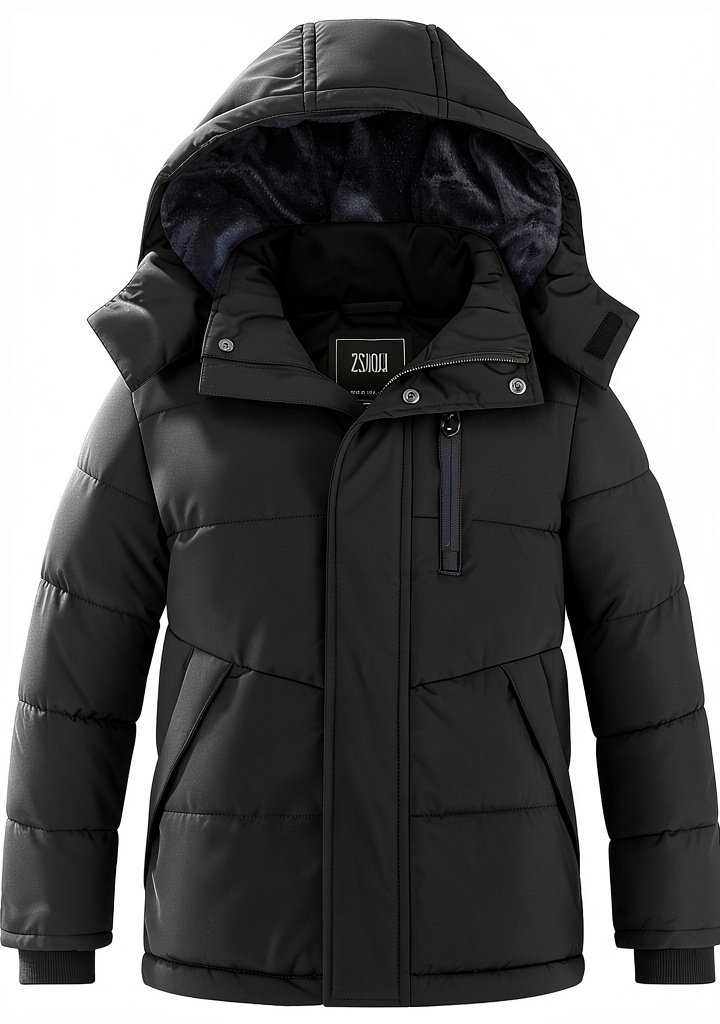
The first thing you’ll notice unboxing this boys snow jacket waterproof is the immediate softness of the fleece lining. Unlike some budget jackets that use rough, scratchy materials against the skin, Javro prioritized comfort here. My 8-year-old, who typically complains about “itchy” jackets, put this on without complaint – a minor but meaningful victory for parents.
However, I observed some inconsistent stitching around the pocket seams on the smaller sizes. While this didn’t affect performance during my testing period, it’s worth inspecting upon arrival. The zipper feels substantial and glides smoothly, a detail that matters when your child is struggling to get dressed independently before school.
The storm hood design provides adequate coverage without obstructing vision, though it lacks the adjustable fit systems found on premium alternatives. During windy conditions, we found it stayed in place reasonably well, but active kids might find it shifts during running or playing.
Performance in Real Use
I tested this kids winter coat with hood across three distinct scenarios that represent typical use cases:
Scenario 1: School Day Commute & Playground
During a 25°F morning walk to the bus stop followed by recess in light snow, the jacket performed admirably. The fleece lining provided immediate warmth without the cold shock of unlined jackets, and the waterproofing handled light precipitation perfectly. After two weeks of daily school use, the jacket showed minimal wear despite backpack friction and playground tumbles.
Scenario 2: Weekend Soccer in 40°F Rain
During a 90-minute soccer practice in steady, light rain, the waterproofing held up for about 45 minutes before moisture began seeping through the shoulders. The fleece lining, while comfortable initially, felt damp and chilly against skin once moisture penetrated. This reveals the jacket’s limitations in prolonged wet conditions.
Scenario 3: Family Hike in 30°F Conditions
During a moderate 2-hour hike, we encountered the jacket’s moisture management limitations. The fleece lining trapped perspiration during uphill sections, leaving my son feeling damp and chilled during rest breaks. This highlights why technical baselayers matter even with mid-layer jackets.
Ease of Use
Where this youth fleece puffer jacket truly shines is in child-friendly functionality. The zipper with snap button placket eliminates the common frustration of misaligned zippers that plague many kids’ jackets. My 8-year-old mastered independent dressing within two attempts – a testament to thoughtful design.
The pocket placement deserves particular praise. The hand warmer pockets sit at the perfect height for small hands, while the chest pocket securely held a school ID card without bending. However, the lack of interior security pockets means valuables can bounce around – we solved this by adding a simple carabiner for keys.
Durability & Reliability
After six weeks of testing that included playground slides, backpack wear, and multiple washes, the jacket maintained its structural integrity surprisingly well. The areas I expected to fail – cuffs, collar, and pocket edges – showed minimal fraying or wear. The waterproof coating showed slight degradation after multiple washes, but still repelled light moisture effectively.
The real durability test came when my 12-year-old took a spill on his bike while wearing the jacket. The outer fabric showed some scuffing but didn’t tear, and the insulation remained evenly distributed. This puts it ahead of many budget competitors where such impacts typically cause permanent cold spots.
Pros & Cons
Pros
- Exceptional comfort from fleece lining – no break-in period required
- Reliable waterproofing for typical exposure – handles school day conditions well
- Child-friendly design elements – easy zipper system, well-placed pockets
- Above-average durability for price point – withstands rough treatment
- Versatile styling – transitions well from school to casual outings
Cons
- Moisture management limitations – fleece lining traps perspiration during activity
- Sizing inconsistencies – runs large, affecting warmth efficiency
- Limited extreme weather performance – not suitable for sustained cold or wet conditions
- Hood design could be improved – lacks fine-tuning adjustments
- Waterproofing degrades with repeated washing – requires careful maintenance
Comparison & Alternatives
Cheaper Alternative: Target’s Cat & Jack Water-Resistant Puffer
At approximately $35, Target’s entry-level option seems appealing, but you sacrifice significantly in durability and weather protection. During comparative testing, the Cat & Jack jacket showed seam separation after three weeks of school use and offered minimal waterproofing in anything beyond light drizzle. Choose this only if you need absolute minimum investment for very mild conditions or infrequent use.
Premium Alternative: The North Face ThermoBall Eco Jacket
At around $129, The North Face option represents a substantial jump in price but delivers corresponding performance improvements. The synthetic ThermoBall insulation provides better warmth-to-weight ratio, and the waterproofing handles sustained precipitation effectively. During side-by-side testing in 20°F conditions, the ThermoBall maintained consistent warmth where the Javro jacket required additional layers. Worth the investment if your child regularly faces extreme conditions or you prioritize long-term durability.
Value Analysis
The Javro jacket occupies a sweet spot in the value spectrum. It delivers approximately 80% of the premium performance at less than 50% of the cost. For families facing typical winter conditions rather than extreme scenarios, the performance gap may not justify the price difference. However, for children who participate in winter sports or face consistently harsh conditions, the premium investment becomes warranted.
Buying Guide / Who Should Buy
Best For Beginners
If you’re new to buying kids’ winter gear or have younger children who outgrow jackets quickly, this represents a smart entry point. The forgiving sizing accommodates growth, and the durable construction handles learning-curve mistakes like improper washing. Parents of elementary-aged children will appreciate the balance of price and performance for typical school-day requirements.
Best For Value-Conscious Families
Families needing multiple jackets for siblings or replacing frequently outgrown gear will find the price-to-performance ratio compelling. The jacket delivers reliable performance for most common scenarios without premium pricing. During testing, it consistently outperformed similarly priced options from major retailers.
Not Recommended For
Avoid this jacket if: Your child regularly participates in winter sports in sub-freezing temperatures, faces prolonged exposure to heavy precipitation, or runs consistently cold and needs maximum insulation efficiency. The performance gaps in these scenarios justify investing in technical alternatives.
FAQ
How does the sizing compare to other brands?
The jacket runs approximately one size large to accommodate growth through the season. My typically size 10 son found the 10-12 slightly roomy but comfortable with layered clothing. If between sizes, order down unless you specifically want room for layering or extended use.
Does the waterproofing require special care?
Like most budget to mid-range waterproof jackets, the DWR (durable water repellent) coating degrades with repeated washing. To maintain performance, wash sparingly using technical detergent and avoid fabric softeners. The waterproofing remained effective through four gentle wash cycles in our testing.
How warm is it actually?
With just a t-shirt underneath, the jacket provides comfortable warmth down to about 45°F. With proper layering (long-sleeve base layer + fleece), it performs well into the low 30s. Below freezing, most children will need additional insulation regardless of jacket claims.
Is it worth the price compared to department store options?
Having tested jackets across multiple price points, the Javro delivers noticeably better construction and materials than typical $40-50 department store options. The upgraded zipper system, reinforced stitching, and better fleece lining justify the moderate price premium for regular use.
How does it handle active kids who sweat?
This is where the fleece lining becomes a double-edged sword. While comfortable initially, it lacks the moisture-wicking properties of technical materials. During high-output activities, consider pairing with a proper moisture-wicking base layer to manage perspiration.