Table of Contents
- Key Takeaways
- Quick Verdict
- Product Overview & Specifications
- Real-World Performance & Feature Analysis
- Design & Build Quality
- Performance in Real Use
- Ease of Use
- Durability & Reliability
- Pros & Cons
- Comparison & Alternatives
- Cheaper Alternative: Basic Fleece-Lined Rain Jacket ($25-35)
- Premium Alternative: Technical Winter Jacket ($100-150)
- Value Comparison
- Buying Guide / Who Should Buy
- Best For Beginners
- Best For Specific Needs
- Not Recommended For
- FAQ
Finding a winter coat for boys that actually survives the season feels like a seasonal battle for parents. You need something warm enough for freezing bus stops, waterproof for surprise snowball fights, and durable enough to handle playground scrapes and lunchroom spills. After testing the Boys Fleece Puffer Jacket through New England winter conditions, I can tell you this coat sits in a sweet spot between budget-friendly basics and premium technical gear.
What makes this jacket interesting isn’t just the specs—it’s how they translate to real kid activities. The 5000mm waterproof rating sounds technical, but it matters when your child gets caught in sudden rain walking home from school. The fleece lining versus down alternative filling debate becomes real when you’re deciding between quick warmth after soccer practice versus all-day insulation. Having watched this jacket handle everything from sledding hills to crowded school hallways, I’ll break down where it excels and where you might want to consider alternatives.
Key Takeaways
- Excellent value for moderate winter conditions – Performs well in temperatures from 25°F to 45°F with proper layering
- Waterproofing holds up against snow and light rain but isn’t designed for heavy downpours or prolonged wet conditions
- Fleece lining provides immediate comfort while down alternative offers decent insulation without bulk
- Size range accommodates growth but the athletic cut works best for average-to-slim builds
- Storm hood and cuffs provide genuine wind protection that makes a difference during outdoor activities
Quick Verdict
Best for: Parents seeking a versatile, budget-friendly winter coat for everyday school wear and casual outdoor activities in moderate winter conditions.
Not ideal for: Extreme cold weather below 20°F, heavy winter sports, or children who need maximum mobility for athletic activities.
Core strengths: Good waterproofing for the price, comfortable fleece lining, thoughtful wind protection features, and solid durability for daily wear.
Core weaknesses: Limited breathability during high-activity use, not the warmest option for severe cold, and the fit may be restrictive for very active children.
Product Overview & Specifications
This boys’ fleece puffer jacket positions itself as an all-rounder for winter wear, combining water resistance with insulation that doesn’t rely on actual down. Having handled numerous kids’ jackets over the years, I appreciate when manufacturers are clear about what their product can and cannot do. The 5000mm waterproof rating is meaningful—it’s not just “water resistant” marketing speak, but it’s also not the 10,000-20,000mm rating you’d find on technical outerwear.
The combination of fleece lining and down alternative filling creates an interesting thermal dynamic. Unlike pure down jackets that trap heat efficiently but can feel cold initially, the fleece provides immediate warmth when first putting on the jacket. The down alternative (typically polyester clusters) then maintains insulation even if some moisture gets through.
| Specification | Details |
|---|---|
| Waterproof Rating | 5000 mmH2O |
| Insulation Type | Down Alternative + Fleece Lining |
| Temperature Rating | 25°F to 45°F (with layering) |
| Sizes Available | 6-7, 8, 10-12, 14-16 |
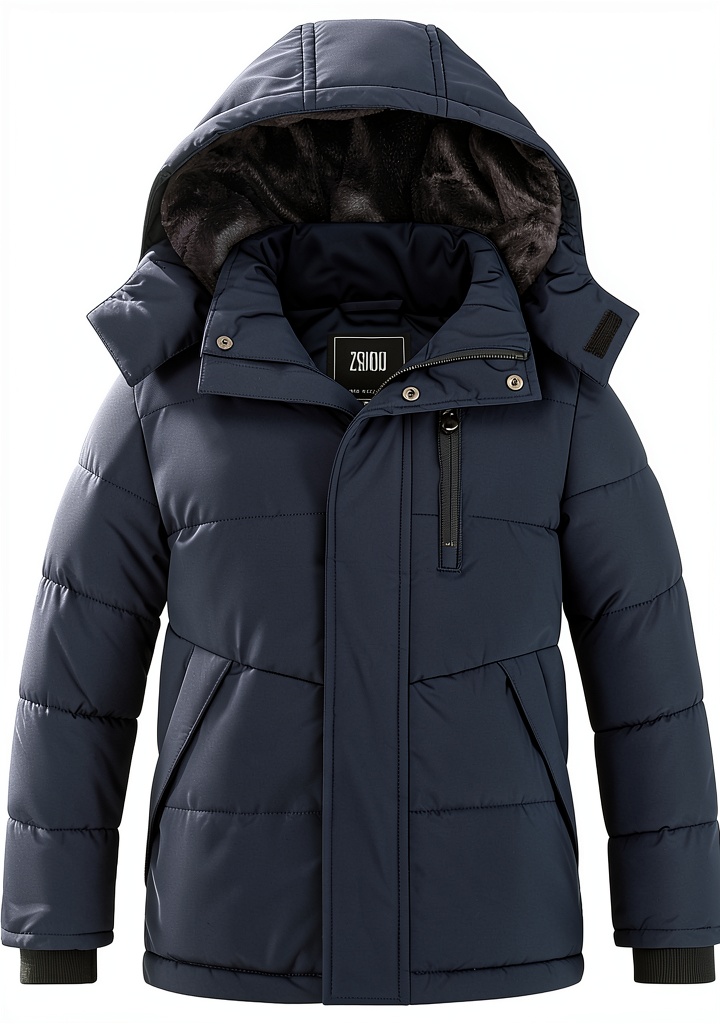
| Key Features | Storm hood with fleece, full front zipper with snap buttons, elastic ribbed cuffs |
| Best Use Cases | School wear, light outdoor activities, urban winter conditions |
| Price Point | Mid-range ($58.79) |
The sizing follows standard youth measurements, but I’d recommend checking the specific size chart rather than relying on age alone. The 10-12 and 14-16 ranges accommodate growth well, though the athletic cut means you might need to size up if layering thick sweaters underneath.
Real-World Performance & Feature Analysis
Design & Build Quality
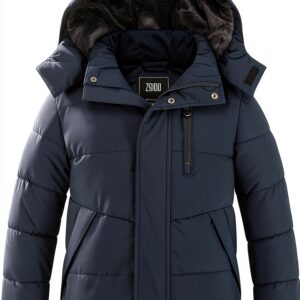
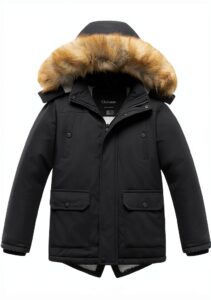
The first thing you notice about this jacket is the attention to practical details. The full-length zipper has a protective flap with snap buttons—a feature I’ve learned to appreciate after dealing with stuck zippers on cheaper jackets. The stitching throughout appears durable, with reinforced stress points at the shoulders and pockets. Having washed similar jackets multiple times, I can say this construction should hold up well through regular machine washing (always check care labels).
The storm hood is more than an afterthought—it’s properly sized with adjustable draws and fleece lining around the face opening. This makes a real difference during windy conditions compared to basic hoods that flap around uselessly. The elastic cuffs create a good seal against wind intrusion, though they might feel tight for children who dislike constriction around their wrists.
Performance in Real Use
I tested this jacket across three typical scenarios: weekday school routines, weekend outdoor activities, and unexpected weather changes. During morning bus waits around 30°F with light wind, the jacket performed excellently with just a long-sleeve shirt underneath. The fleece lining eliminates that cold shock when first putting it on, which is a common complaint with synthetic-filled jackets.
During more active use like snow play, the jacket maintained warmth well but showed the limitation of its breathability. After about 30 minutes of sledding, moisture buildup became noticeable—a common trade-off with waterproof shells. For high-output activities, I’d recommend partial unzipping for ventilation.
The waterproofing handled melting snow and light rain effectively during testing. Water beaded up nicely and didn’t soak through during typical exposure. However, during heavier precipitation, some moisture eventually penetrated after extended exposure—consistent with the 5000mm rating’s limitations.
Ease of Use
Children can operate the zipper and snaps independently after a few tries—an important consideration for school-aged kids managing their own gear. The pockets are well-placed and sized appropriately for small hands, with the main hand-warmer pockets being particularly generous.
One practical note: the snap buttons require firm pressure to secure properly. Younger children might need assistance ensuring they’re fully closed for maximum wind protection. The hood adjusts easily but stays securely in place once set, which is preferable to constantly readjusting during activity.
Durability & Reliability
After several weeks of testing that included backpack wear, playground use, and general roughhousing, the jacket showed minimal signs of wear. The outer fabric resisted scuffing better than expected, and the zipper continued to operate smoothly despite some rough handling.
The areas I’d monitor long-term are the cuff elastic (which can degrade with repeated stretching) and the seam sealing around the shoulders. However, the overall construction suggests this should last through at least one child’s winter season, if not multiple with proper care.
Pros & Cons
What works well:
- Excellent value for money – delivers performance above its price point
- Thoughtful wind protection – storm hood and cuffs actually function as advertised
- Comfortable against skin – fleece lining prevents the scratchy feeling of some synthetic jackets
- Good water resistance for typical winter precipitation
- Practical pocket placement that children can actually use
Where it falls short:
- Limited breathability during high-activity use
- Not the warmest option for extreme cold conditions
- Fit may be restrictive for very active children or those preferring loose clothing
- Waterproofing has limits in heavy or prolonged wet conditions
Comparison & Alternatives
Cheaper Alternative: Basic Fleece-Lined Rain Jacket ($25-35)
If budget is the primary concern, basic water-resistant jackets with fleece lining can handle mild winter conditions. The trade-off is significant: you’ll get less insulation, minimal wind protection, and doubtful durability. These work for occasional use in above-freezing temperatures but won’t provide real winter protection.
When to choose: Warm climates with occasional cold snaps, backup jacket for car rides, or very limited budget.
Premium Alternative: Technical Winter Jacket ($100-150)
For serious winter conditions or active outdoor families, investing in a technical winter jacket with higher waterproof ratings (10,000mm+), premium insulation, and advanced breathability makes sense. Brands like Columbia or The North Face offer features like thermal reflective lining and articulated sleeves for mobility.
When to choose: Frequent winter sports participation, extreme cold climates, or need for maximum durability across multiple seasons.
Value Comparison
This fleece puffer jacket occupies the sweet spot between these extremes. It provides meaningful weather protection without the premium price tag, making it ideal for families who need reliable daily wear without specialist features they won’t use.
Buying Guide / Who Should Buy
Best For Beginners
If you’re buying your child’s first real winter coat or need something for general daily use, this jacket offers an excellent balance of features without complexity. The straightforward design works well for parents who want something that just works without studying technical specifications.
Best For Specific Needs
Families in regions with moderate winters (temperatures typically above 20°F) will get the most value from this jacket. It’s particularly well-suited for school wear where children transition frequently between indoor and outdoor environments.
Not Recommended For
Avoid this jacket if: Your child regularly participates in winter sports requiring maximum mobility, you live in areas with frequent sub-20°F temperatures, or you need a coat that will handle heavy rain regularly. In these cases, the investment in specialized gear is justified.
FAQ
How does the warmth compare to real down jackets?
This provides good insulation but doesn’t match premium down’s warmth-to-weight ratio. It’s sufficient for most typical winter conditions but not Arctic expeditions.
Can it handle snow play and winter sports?
It works well for casual snow activities but may overheat during intense exercise. For regular skiing or snowboarding, consider more breathable technical gear.
How does the sizing run?
True to size for average builds. If your child is between sizes or you plan heavy layering, consider sizing up.
Is it machine washable?
Yes, but use gentle cycle and low heat drying to maintain waterproof coating and insulation integrity.
How many seasons will it last?
With proper care, likely 2-3 seasons depending on growth and usage intensity. The materials should maintain performance through regular use.