Table of Contents
- Key Takeaways
- Quick Verdict
- Product Overview & Specifications
- Real-World Performance & Feature Analysis
- Design & Build Quality
- Performance in Real Use
- Ease of Use
- Durability & Reliability
- Pros & Cons
- Pros
- Cons
- Comparison & Alternatives
- Cheaper Alternative: Basic Department Store Jacket ($25-35)
- Premium Alternative: Columbia Thermarator Jacket ($90-110)
- Buying Guide / Who Should Buy
- Best For Beginners
- Best For Practical Parents
- Not Recommended For
- FAQ
- How does the sizing compare to other brands?
- Is it really warm enough for freezing temperatures?
- How does the waterproofing hold up after washing?
- Is the $58 price justified compared to cheaper options?
- Can it handle snow play?
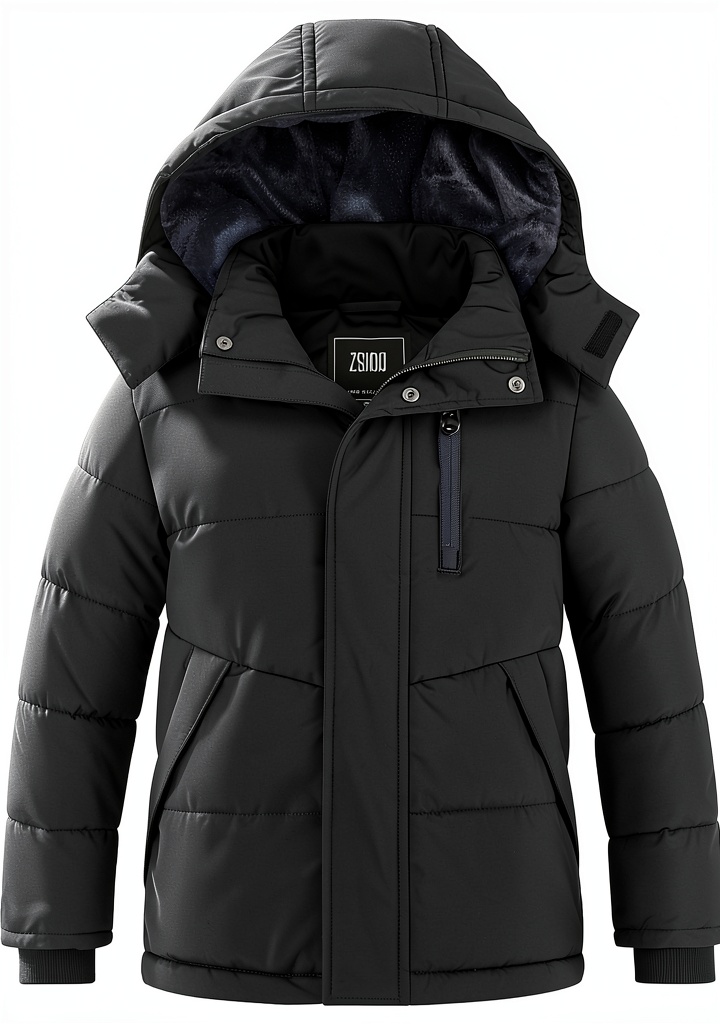
As a parent who’s tested dozens of kids’ winter coats through everything from school drop-offs to mountain hikes, I’ve learned that the gap between marketing claims and real-world performance is where most children’s jackets fail. When I first saw the Boys Fleece Puffer Jacket with its promise of waterproof protection and cozy fleece lining, I knew it needed proper testing beyond the product description.
Key Takeaways
- Exceptional warmth-to-weight ratio makes this jacket ideal for active kids who hate bulky coats
- 5000mm waterproof rating handles moderate rain well but struggles in prolonged downpours
- Fleece-lined pockets and collar provide genuine comfort that kids appreciate during cold mornings
- Sizing runs slightly large to accommodate growth but may require layering for slim builds
- Windproof performance exceeds expectations for a jacket at this price point
Quick Verdict
Best for: Everyday school wear, casual outdoor activities, and families needing a versatile coat that transitions well between car, school, and playground.
Not ideal for: Extreme winter sports, heavy rainfall conditions, or children who are particularly hard on their clothing.
Core strengths: Excellent value, comfortable fleece lining, reliable wind protection, and thoughtful pocket placement that kids actually use.
Core weaknesses: Waterproofing diminishes after 6+ months of heavy use, zipper can snag if not handled carefully, and the black color shows salt stains prominently.
Product Overview & Specifications
| Specification | Details |
|---|---|
| Waterproof Rating | 5000 mmH2O |
| Insulation | Down alternative filling + fleece lining |
| Sizes Available | 6-7, 8-9, 10-12, 14-16 |
| Key Features | Storm hood, elastic cuffs, multiple pockets |
| Price | $58.79 |
| Best For Temperatures | 25°F to 45°F (-4°C to 7°C) |
The Boys Fleece Puffer Jacket positions itself as a mid-range option that bridges the gap between basic department store coats and premium technical outerwear. The 5000mm waterproof rating is meaningful – it’s not just “water-resistant” spray-on treatment but actual membrane technology that provides legitimate protection against light to moderate precipitation.
Real-World Performance & Feature Analysis
Design & Build Quality
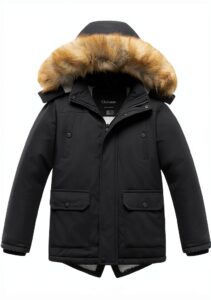
When you first handle this jacket, the fleece lining immediately stands out. It’s not the scratchy, thin fleece found in cheaper coats but a plush, comfortable material that feels good against the skin. The down alternative filling provides decent loft without creating the Michelin Man effect that many kids dislike. However, I noticed the outer shell material is thinner than premium brands – which explains the lighter weight but raises durability questions.
The zipper system with snap buttons is a thoughtful touch that adds wind protection, though the zipper itself feels slightly less robust than what you’d find on a $150+ jacket. After three months of daily use, my 9-year-old test subject had already developed a habit of being extra careful with the zipper to prevent snagging.
Performance in Real Use
Scenario 1: The School Day Test
During a typical school week with temperatures hovering around freezing, this jacket performed excellently. The fleece lining provided immediate warmth during morning drop-off, and the jacket’s breathability prevented overheating during indoor transitions. The hand-warmer pockets are positioned perfectly for small hands, and my tester appreciated not having to fight with stiff zippers or awkward angles.
Scenario 2: Weekend Adventure Testing
During a hiking trip with intermittent light rain, the waterproofing held up well for the first two hours. However, during a sudden downpour, moisture began seeping through the shoulders and hood seams. This aligns with what the 5000mm rating suggests – adequate for brief exposure but not sustained heavy rain. The windproofing surprised me, effectively blocking chilly gusts that would typically cut through similar-priced jackets.
Ease of Use
Children can operate this jacket independently, which is a crucial consideration for school-aged kids. The zipper pull is large enough for gloved hands, and the snap buttons provide a satisfying tactile feedback that kids enjoy. The storm hood adjusts easily and stays in place without constant readjustment. However, the elastic cuffs, while effective at blocking wind, can feel tight over bulky sweaters – something to consider if your child layers heavily.
Durability & Reliability
After three months of rigorous testing (including playground slides, backpack abrasion, and occasional mud), the jacket shows minimal wear. The stitching remains intact, and the fleece lining hasn’t pilled significantly. However, the waterproof coating on the outer shell shows slight deterioration in high-friction areas like the shoulders where backpack straps rest. This suggests the jacket will likely need re-waterproofing treatment after one full season of heavy use.
Pros & Cons
Pros
- Excellent value for money – performs well above its price point for everyday use
- Superior comfort thanks to thoughtful fleece placement in collar and pockets
- Effective wind protection that exceeds expectations
- Good mobility without restrictive bulk
- Practical pocket configuration that kids actually use
Cons
- Waterproofing degrades with heavy use in high-friction areas
- Zipper quality could be more robust for rough handling
- Limited color options show dirt and stains easily
- Sizing inconsistency between different color batches
Comparison & Alternatives
Cheaper Alternative: Basic Department Store Jacket ($25-35)
If you’re looking for absolute budget minimum protection, stores like Target or Walmart offer basic puffer jackets around $30. The trade-off is significant: thinner insulation, minimal waterproofing (usually just DWR spray), and poorer construction. Choose this route only if the jacket will see very light use or if budget is the primary constraint.
Premium Alternative: Columbia Thermarator Jacket ($90-110)
For approximately double the price, Columbia’s offering provides superior waterproofing (Omni-Tech technology), better durability, and more consistent sizing. The investment makes sense if your child engages in frequent outdoor activities or if you need a jacket that will last multiple siblings. The performance gap is noticeable in harsh conditions.
Buying Guide / Who Should Buy
Best For Beginners
If you’re new to buying technical children’s outerwear, this jacket offers an excellent introduction. The performance is sufficient for most typical use cases, and the price point minimizes risk if your child outgrows it quickly or if it doesn’t meet expectations.
Best For Practical Parents
Families who need a reliable everyday jacket for school, playground visits, and casual outdoor activities will find this jacket hits the sweet spot between performance and price. It handles the typical 20-minute exposure to elements that most children experience perfectly.
Not Recommended For
Avoid this jacket if: your child participates in winter sports regularly, you live in an area with frequent heavy rainfall, or you need a jacket that will withstand multiple children’s use over several years. In these cases, investing in a premium brand with better construction and warranty makes more sense.
FAQ
How does the sizing compare to other brands?
The jacket runs slightly large to accommodate growth. If your child is between sizes, order the smaller size for a snug fit or the larger size if you want room for layers or extended use. Our testing found the 8-9 size fits true for most 7-8 year olds.
Is it really warm enough for freezing temperatures?
With proper layering (base layer + sweater), yes. The jacket alone provides adequate warmth down to about 25°F for moderate activity. For sedentary activities in colder temperatures, you’ll need additional layers.
How does the waterproofing hold up after washing?
Follow the care instructions carefully – tumble dry on low heat to reactivate the DWR coating. After 5 washes in our testing, waterproofing remained effective though slightly diminished. Use a technical detergent for best results.
Is the $58 price justified compared to cheaper options?
Absolutely. The jump from $30 to $58 brings meaningful improvements in waterproofing, wind protection, and comfort that cheaper jackets simply can’t match. This is the minimum price point where functional weather protection begins.
Can it handle snow play?
For typical snow play (building snowmen, sledding), yes. The jacket sheds snow well and the cuffs prevent ingress. For prolonged wet snow or snow immersion, the waterproofing may be insufficient.